Past Fond Teaching Memories
The paint washed off. Some of the years didn't.
I spent a long stretch of my life building lessons, opening doors, setting out materials, and watching people confront a blank surface. The photographs have survived moves, changes, and the untidy business of getting older. I wanted somewhere to put them.
They belong to the people and places that shaped my teaching. This is part of that record.
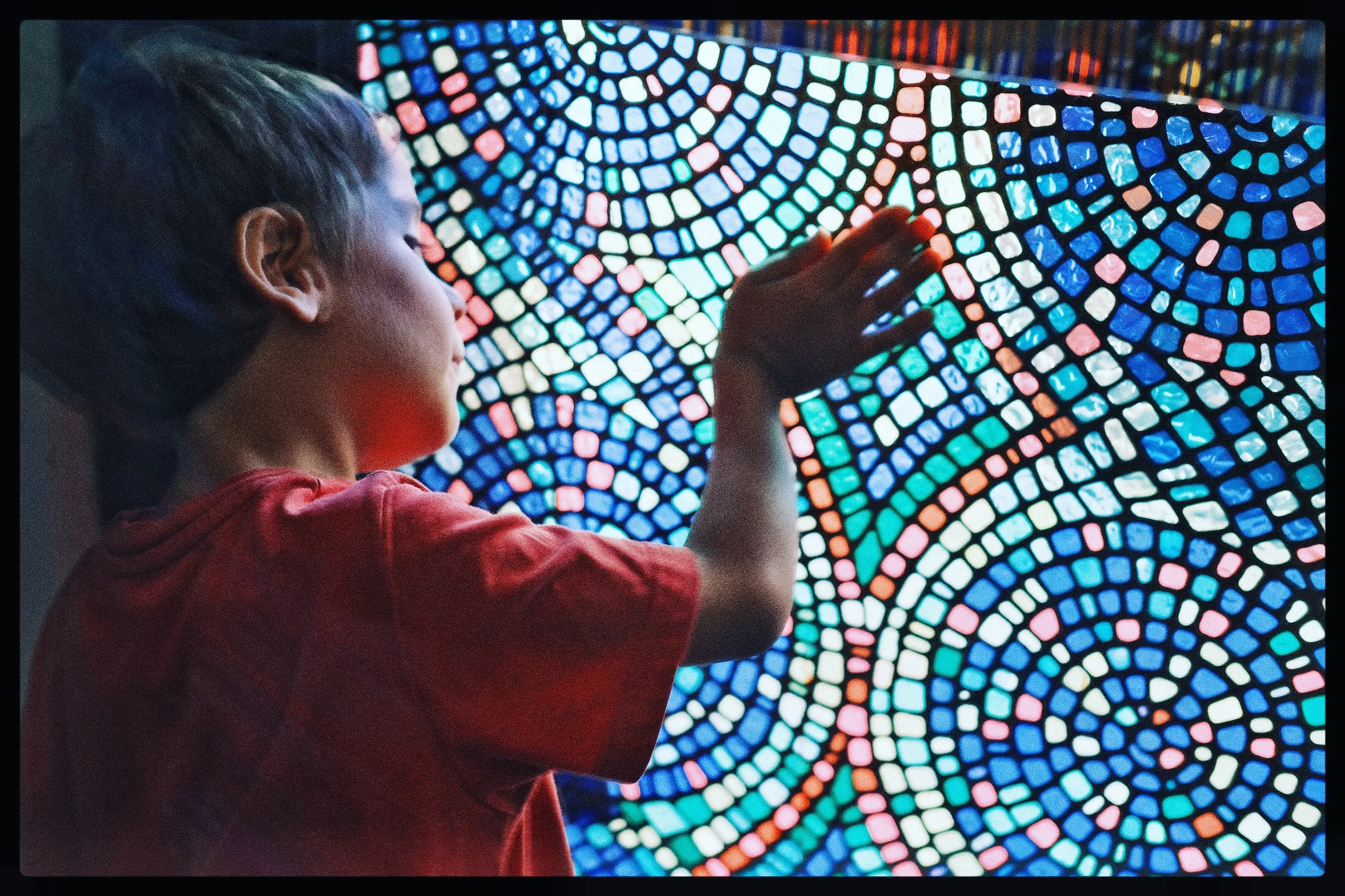
A room, a schedule, a hundred ways to begin.
I founded Amagination Studios in 2009 and ran it until 2023. Some of that work was photography. Some of it was drawing, painting, mixed media, or writing. There were private lessons, workshops, camps, and classes for people who had very different ideas about what art was supposed to look like.
The business had all the ordinary bones of a business. Planning lessons, ordering supplies, answering questions, solving problems before a class began. The more interesting part started when someone sat down to work. An exercise that looked straightforward on paper might become something else entirely once it passed through another person's hands.
I learned to make room for that. A lesson plan matters. So does knowing when to put it aside.
Before we could make anything, we had to get past the fear.
When I started teaching, I thought the lesson was the technique. How to keep an art journal. How to make paint behave, build a layer, work a piece of paper until it became something worth looking at. I knew how to demonstrate a process. I could line up the materials, explain the steps, and send everyone home with a finished piece.
Then I began to notice what happened before the first mark. It didn't matter whether the person across from me was seven or seventy, what they did for a living, or how eagerly they'd signed up. The same hesitation could find its way to the table. A glance at someone else's work. An apology for a perfectly ordinary mistake. A question about whether they were doing it right when they hadn't even begun.
We carry a remarkable amount of judgment into a room full of paint. Some of it belongs to other people. Most of it we've learned to administer ourselves. You can put every color in the world in front of someone and still watch them hold their brush above the page, waiting for permission.
So the work changed. I still taught the technique, but first I had to make room for the person holding the brush. Room to ruin a page. To laugh at a dreadful attempt. To change direction halfway through and follow something they couldn't yet explain. I wanted people to feel safe enough to stop performing competence and start playing. Imagination rarely comes when it's being examined.
That is how I prefer to teach now: through play, through feeling, through the stubborn and sometimes inconvenient things that move us. A memory. A color that won't leave us alone. A shape that feels right before we know why. We follow it. An art journal, a photograph, a torn scrap of paper, a brush loaded with pigment: these are ways of giving it a body. The technique serves what we have to say.
I have no interest in filling a room with smaller versions of myself. I want people to become curious about their own strange ways of seeing, to find a voice they recognize as theirs, and to trust it even when the result looks nothing like the example. That trust has to be practiced. So does the craft. Neither one grows very well under the weight of constant comparison.
I still believe in discipline, study, and learning the difficult parts of a medium. But once a person knows they are allowed to explore, a difficult technique stops looking like a verdict on who they are. It's only another thing they haven't tried yet. The work doesn't become effortless. It becomes their own.
What the classroom taught me.
There was never one kind of student.
I've taught children and adults, beginners and people who came in with years of practice. Some wanted precise instruction. Others needed a little distance from the person doing the instructing. I learned to watch how someone approached a problem before deciding how to help.
My idea was not always the best one in the room.
That took some learning. When a student made an unexpected choice, the temptation was to explain how I'd do it. Sometimes the better question was why they'd done it that way. Their answer could reveal something I hadn't considered.
The rooms, the work, the people.
These are pieces of a longer history. I'm leaving the photographs unlabelled by student name or date until I can tell each story accurately. The point is to remember the experience, not to manufacture a tidy version of it.
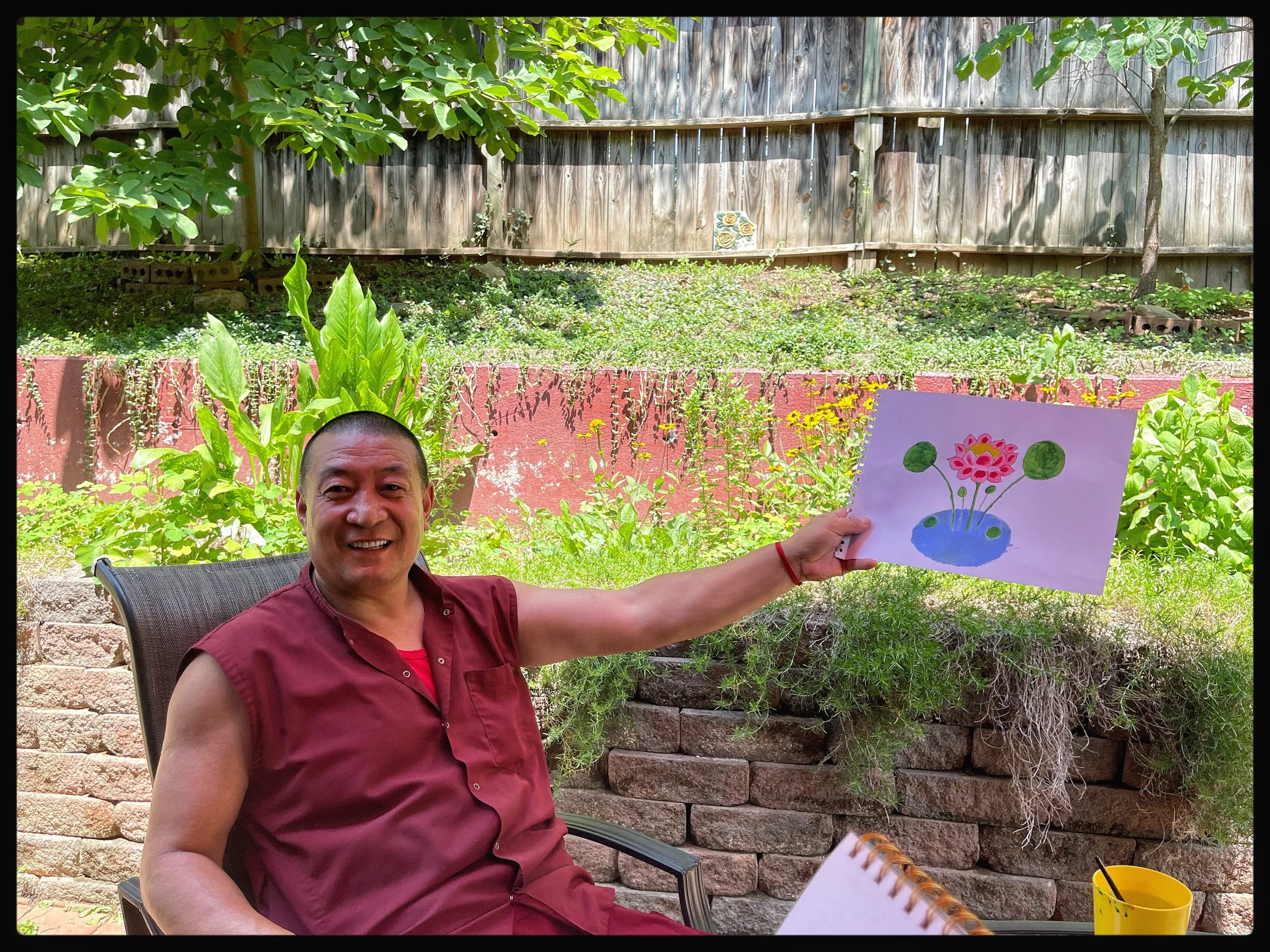
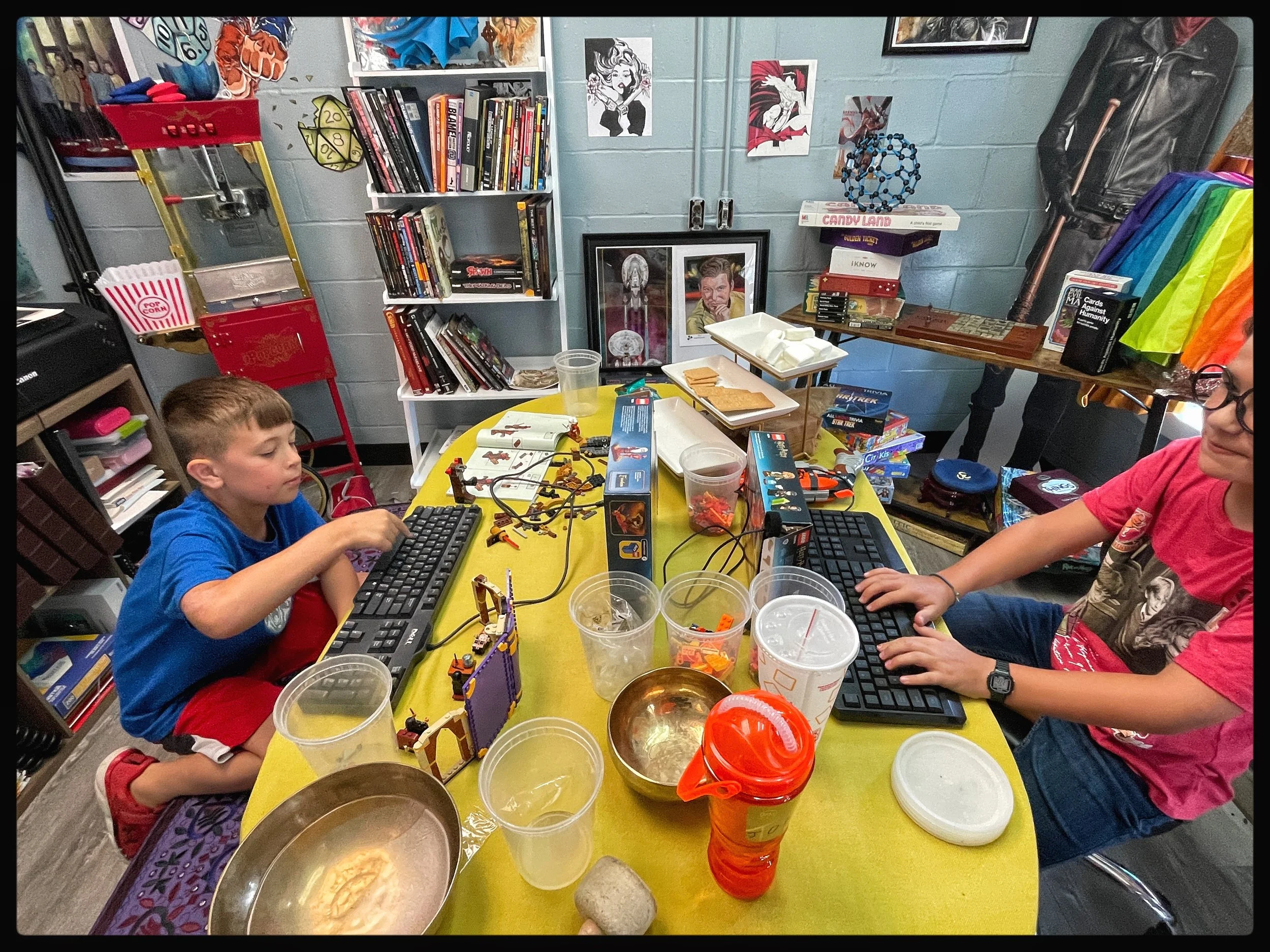
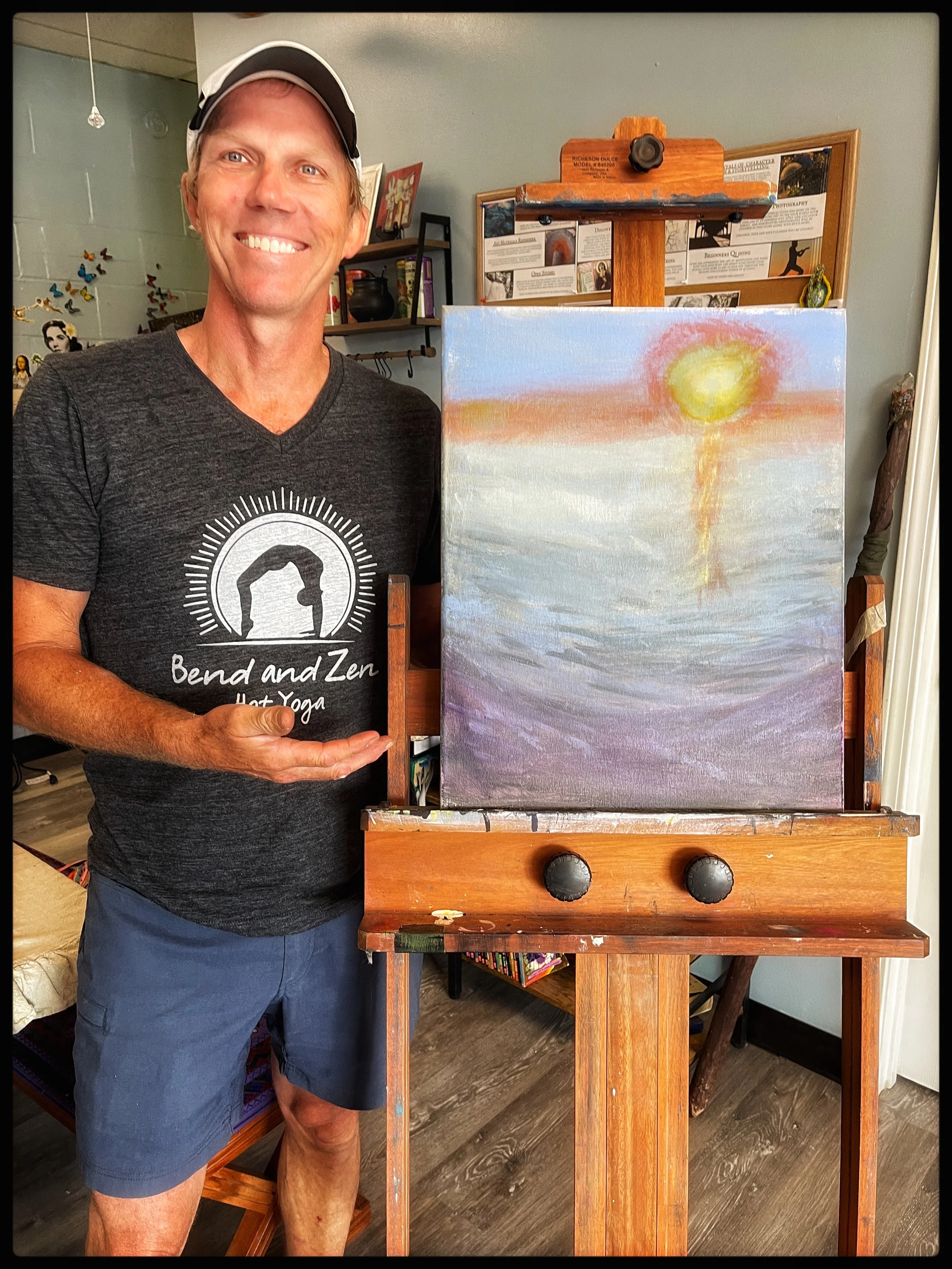


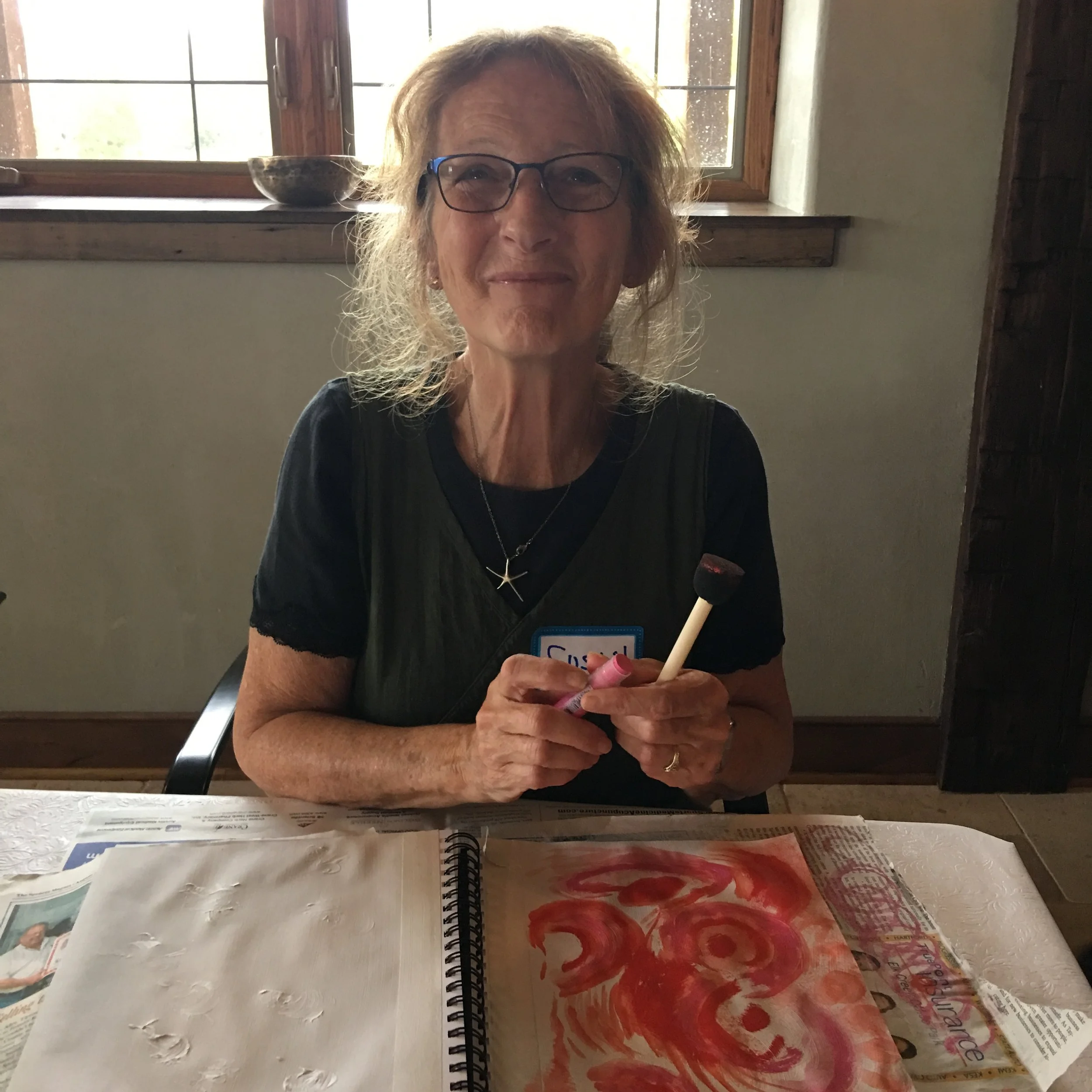
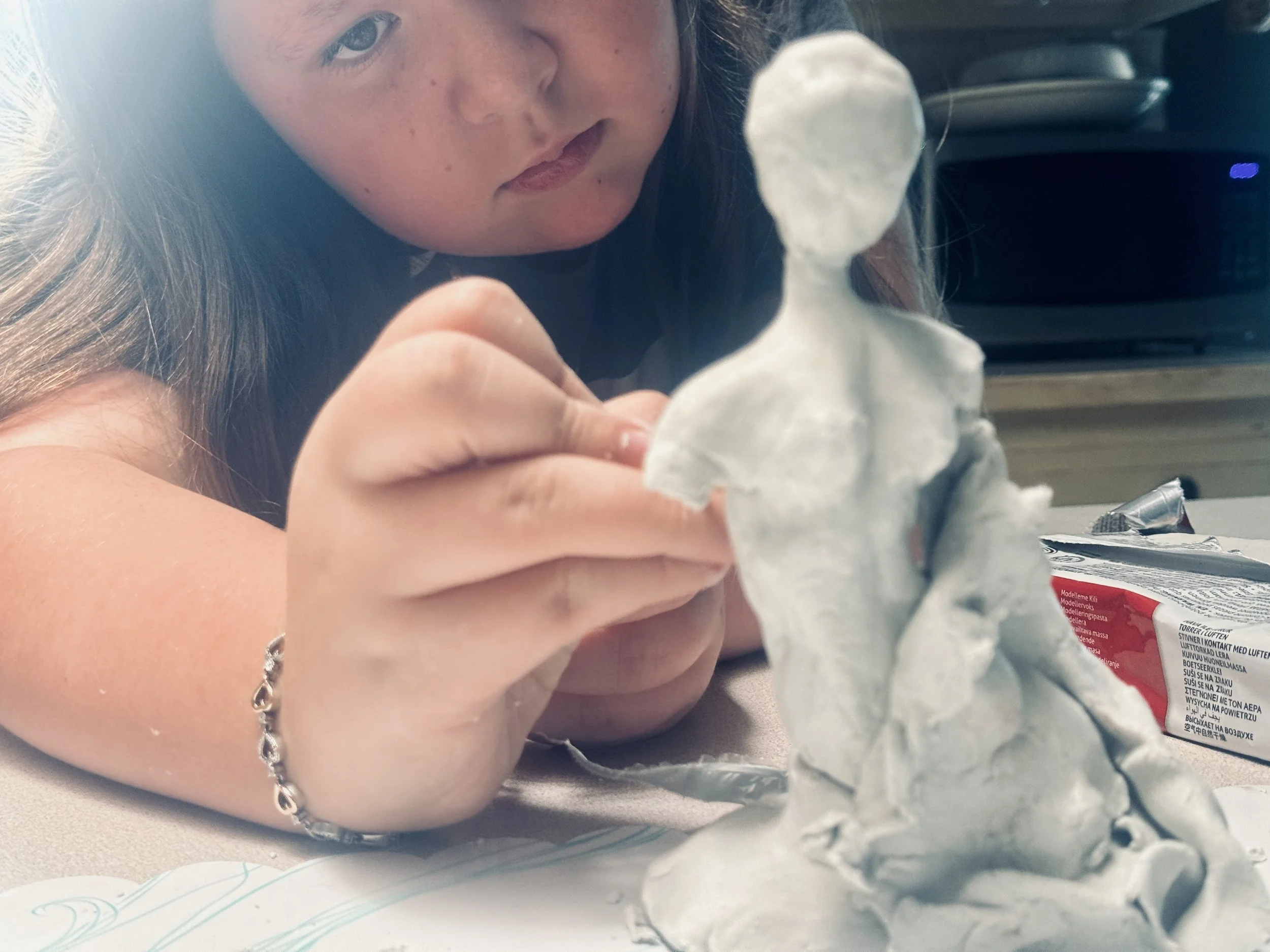
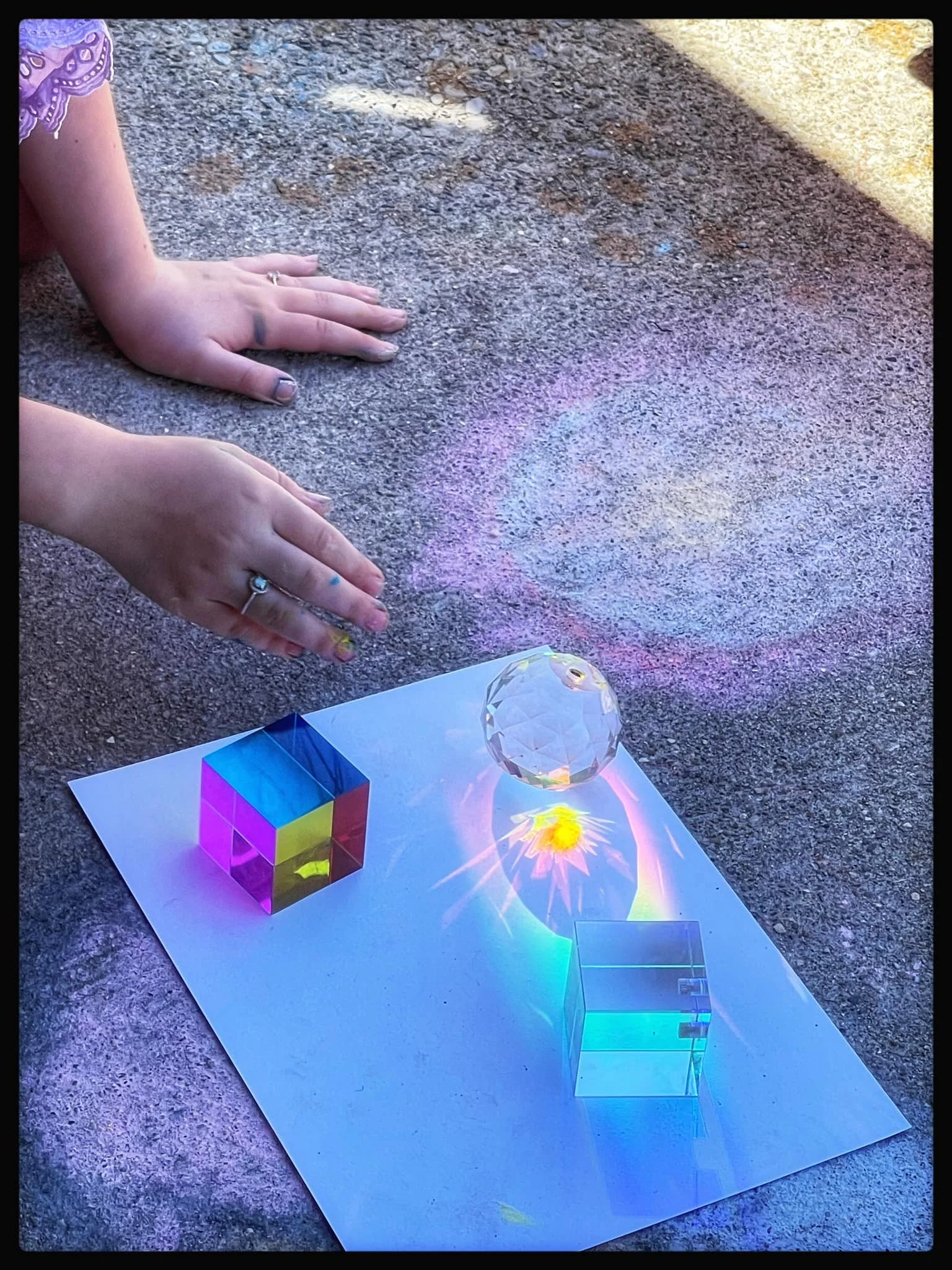
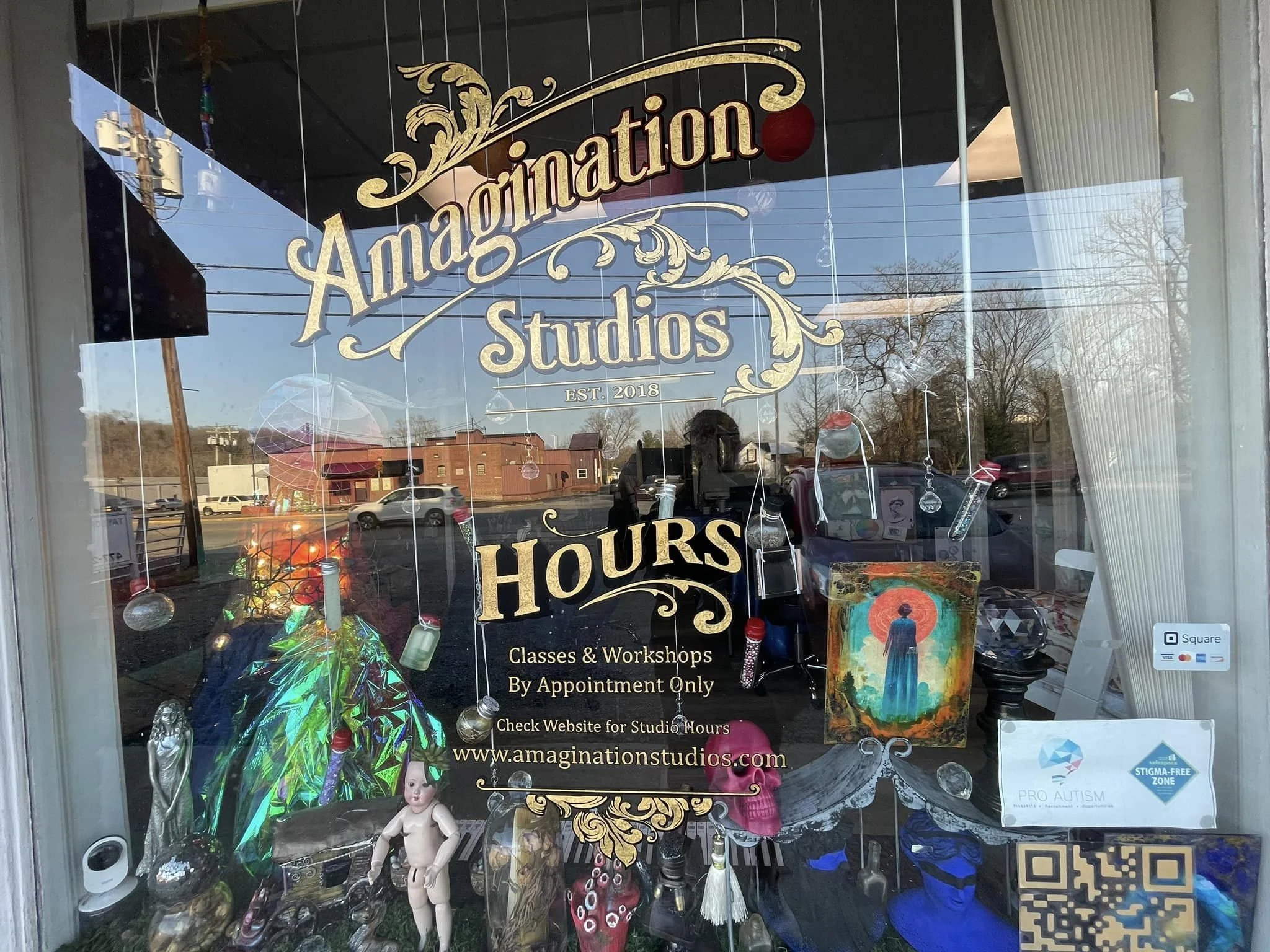
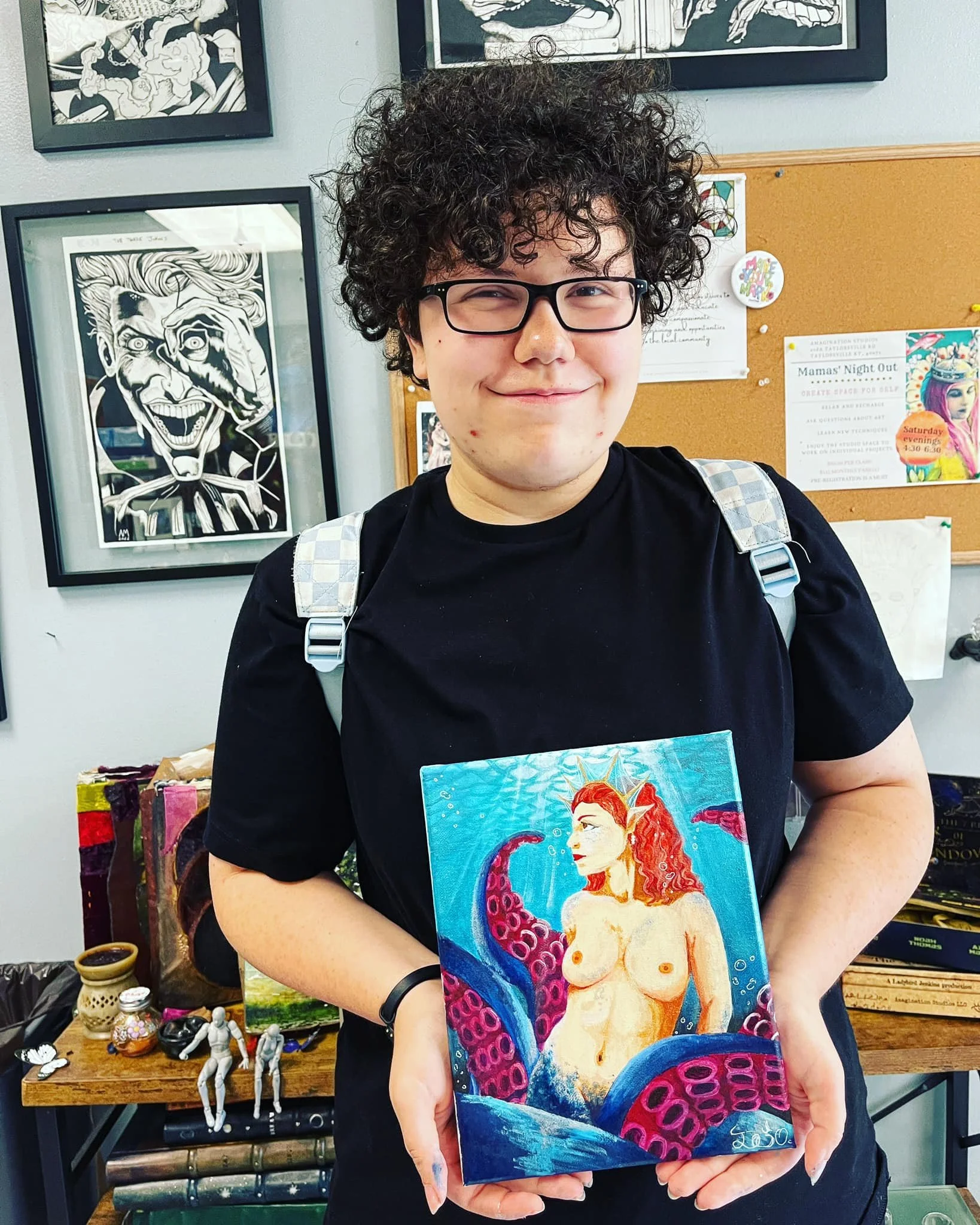
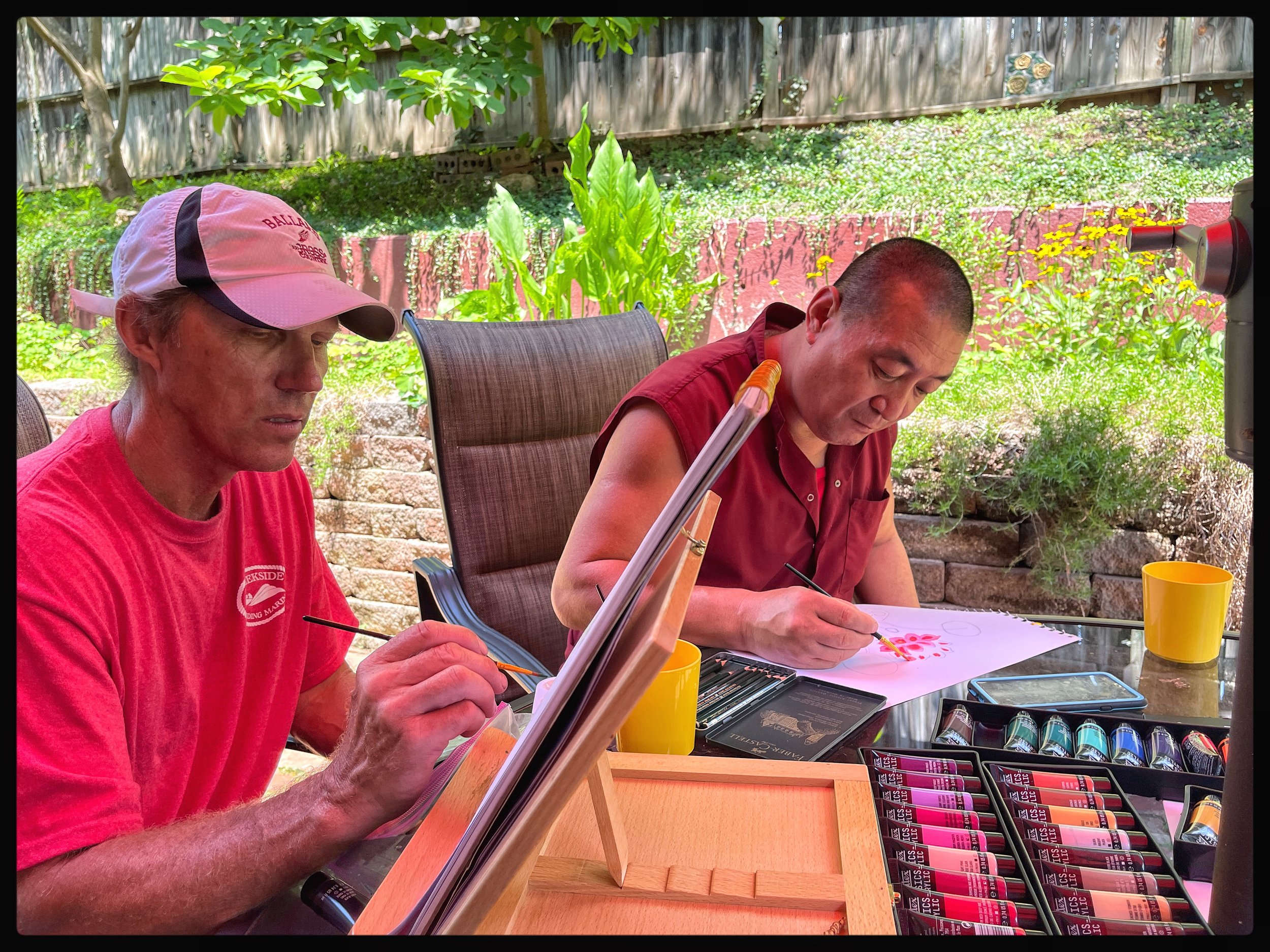
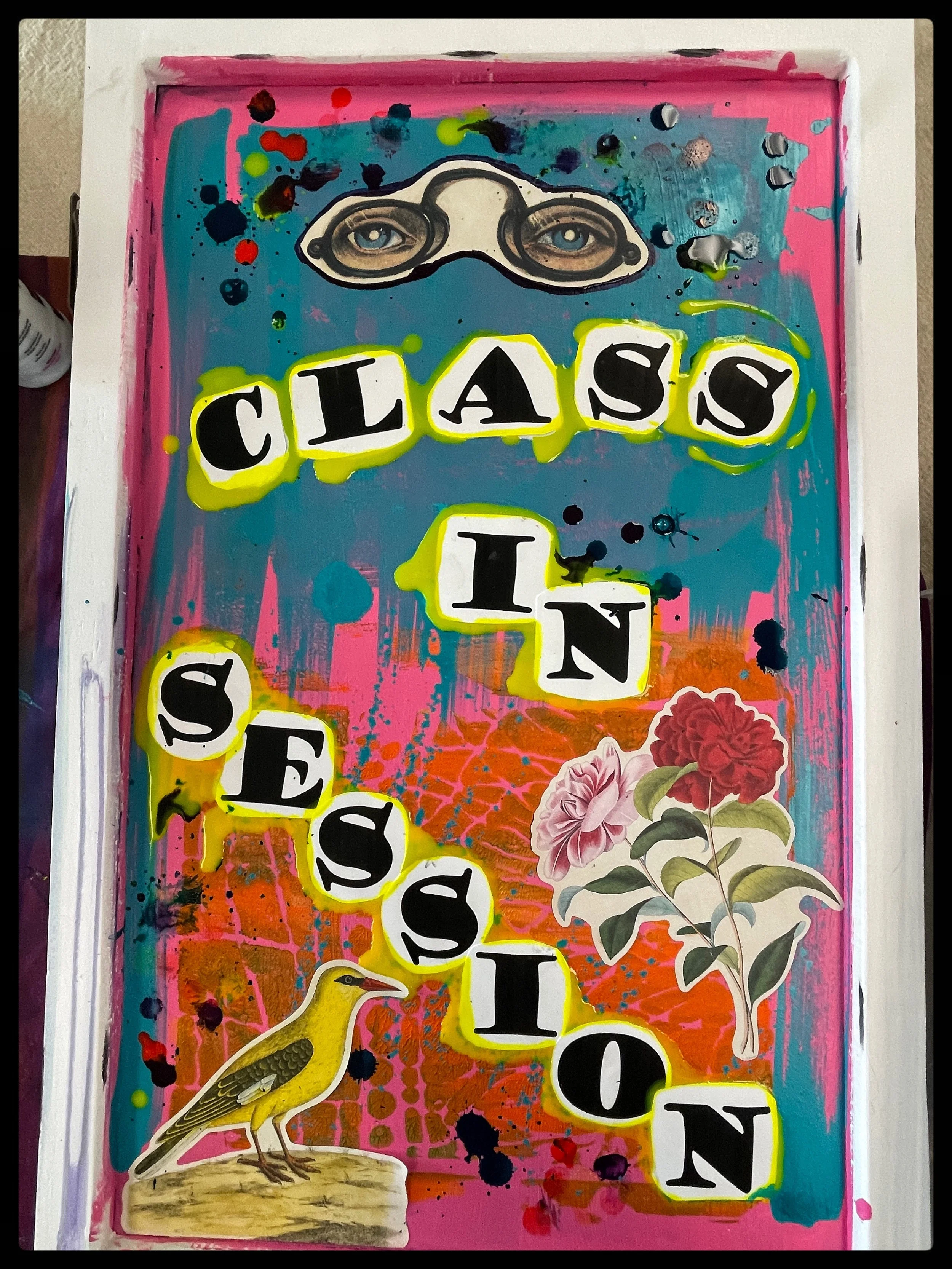
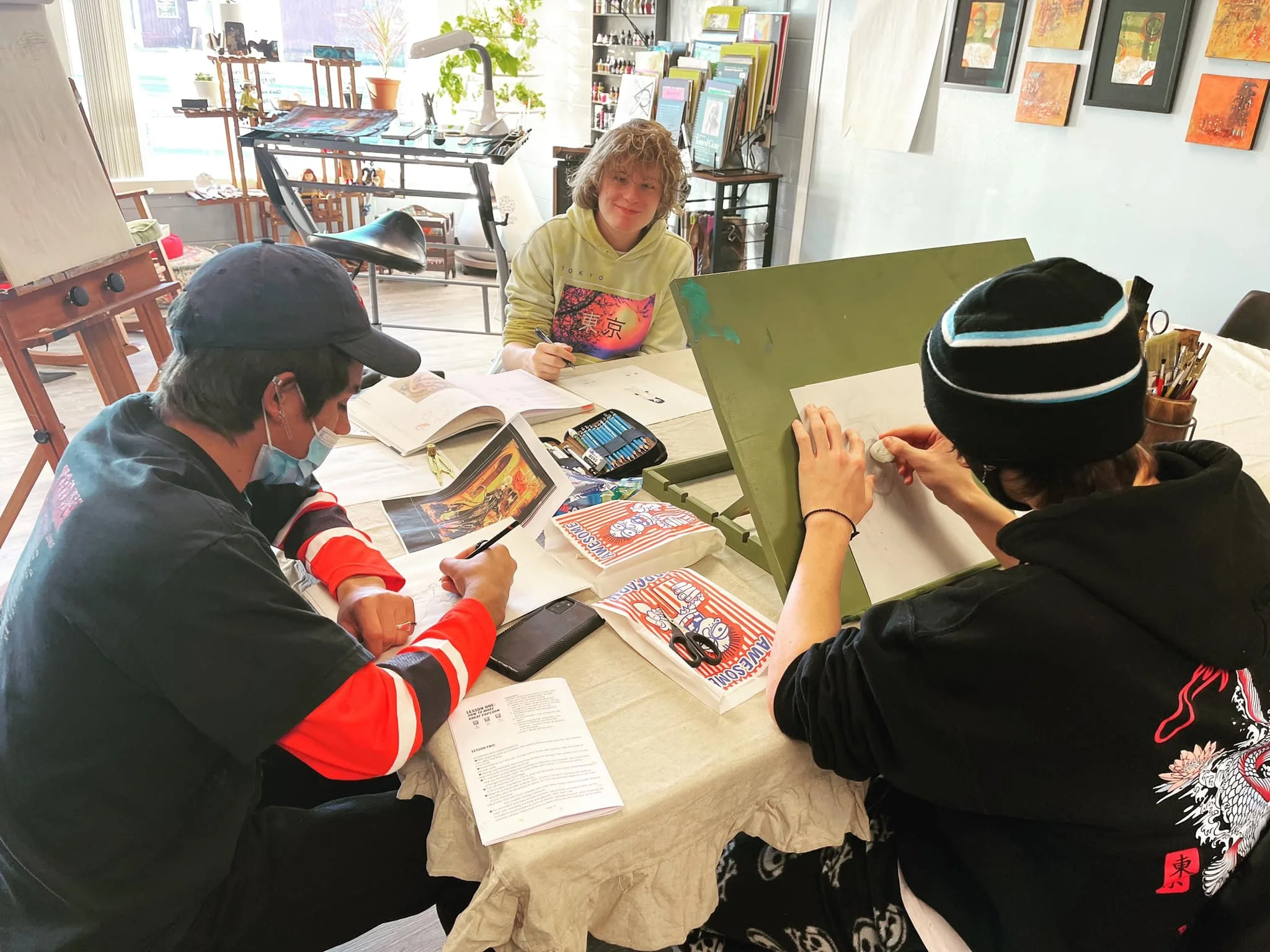
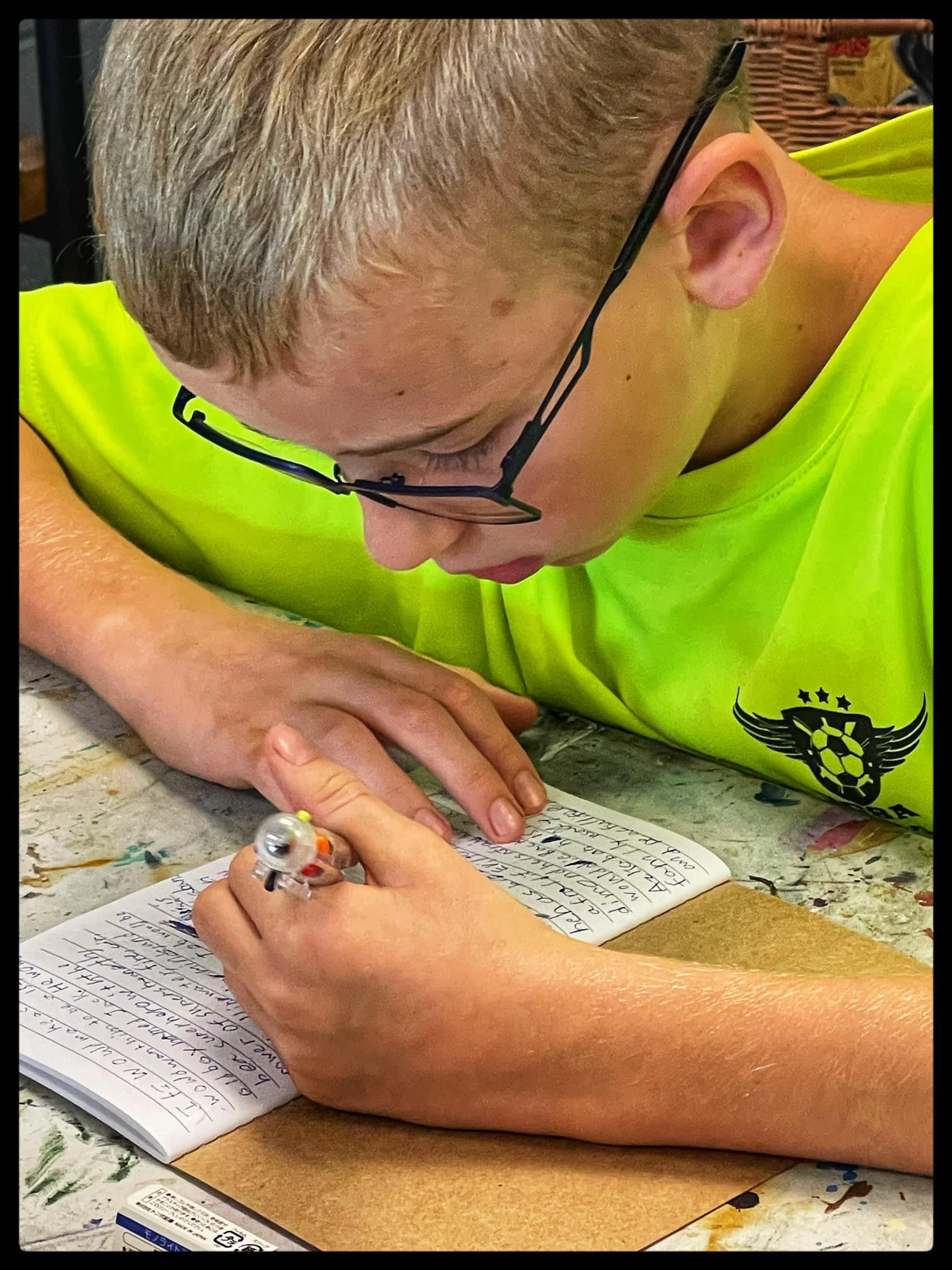
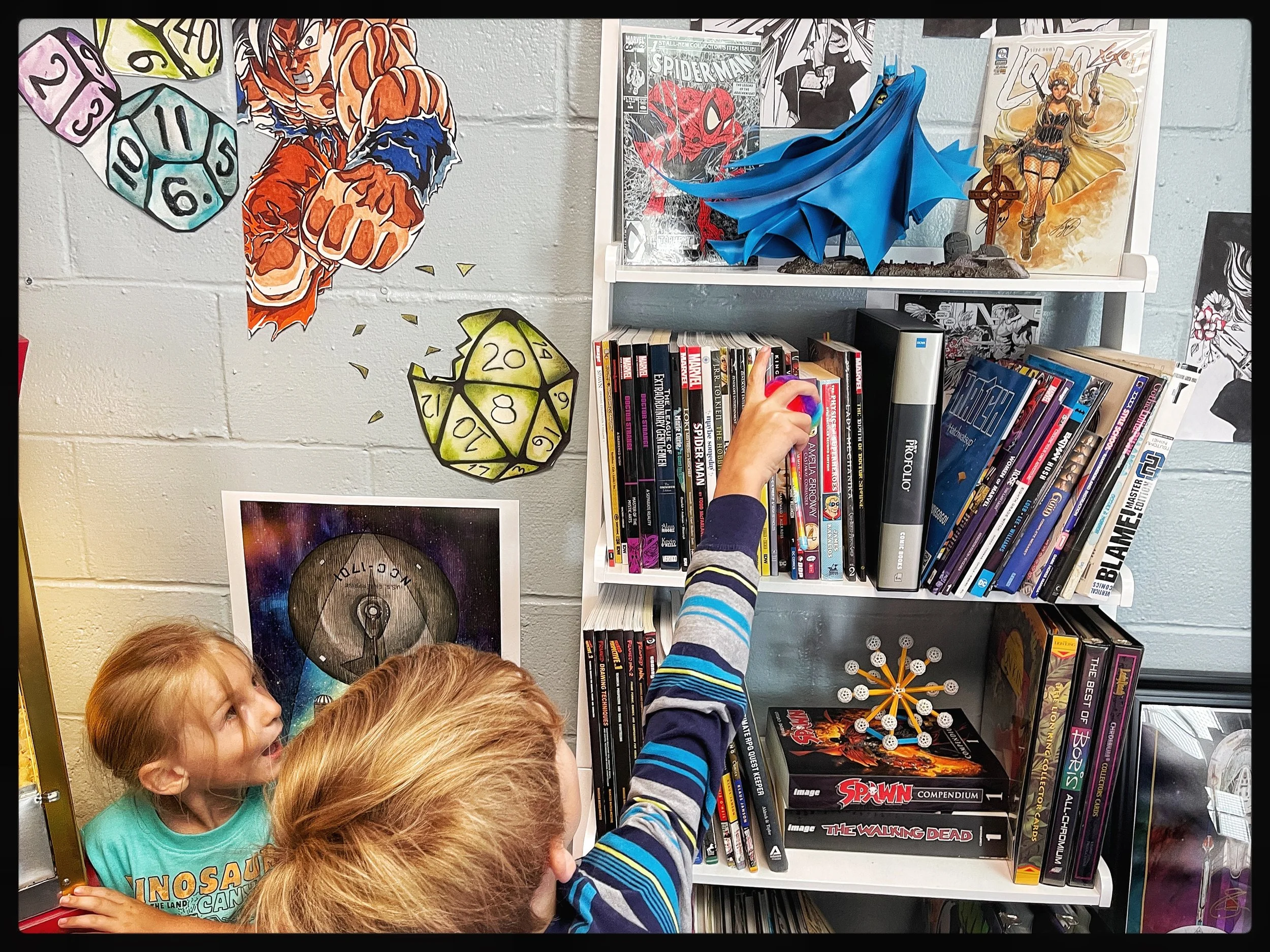
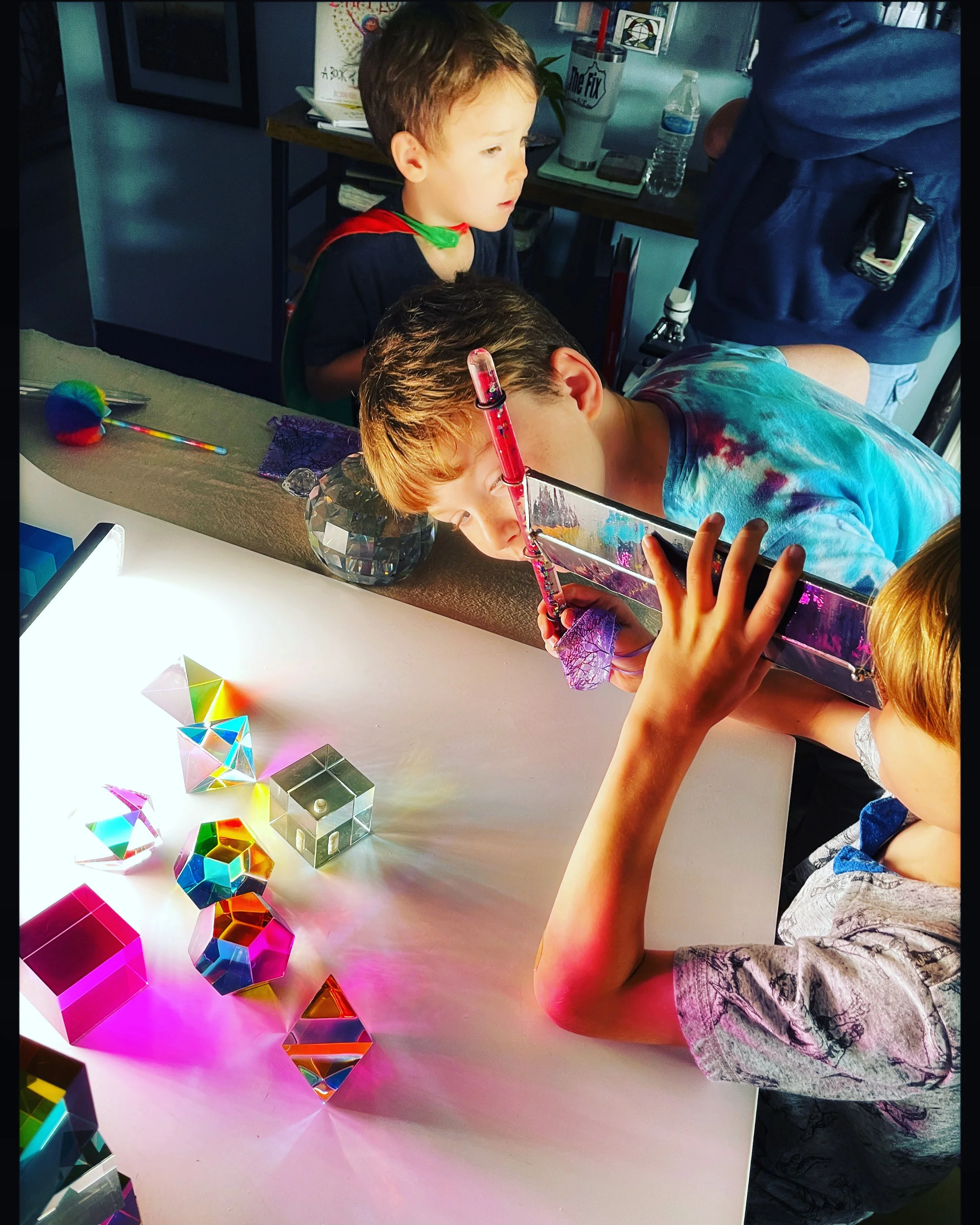
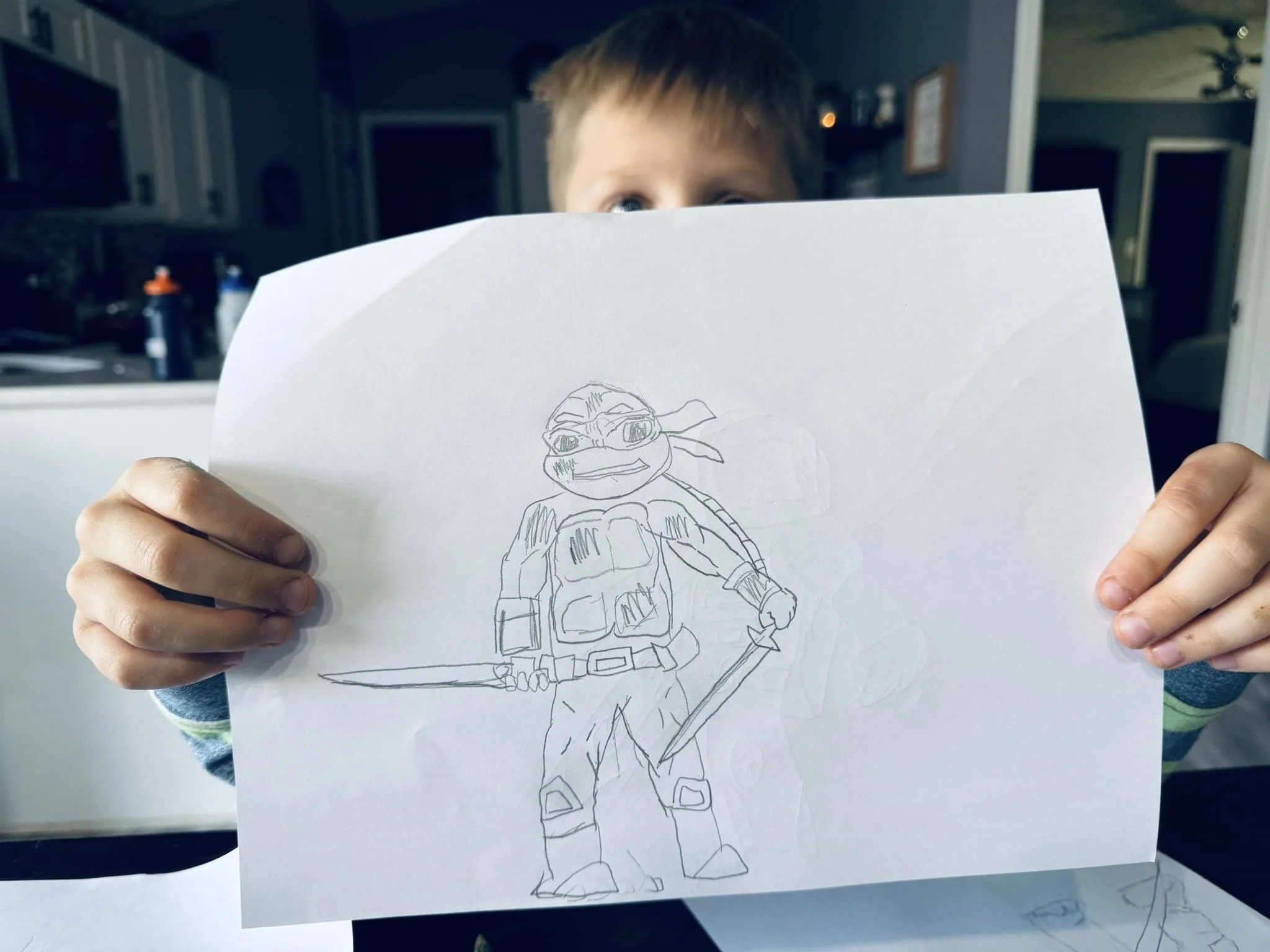


The collection is a work in progress. As I recover dates and stories, I'll add them here. For photographs showing students, permission and privacy come before a good caption.
The Hive, and the limits of one method.
For years I volunteered with The Hive in Bowling Green, Kentucky, working with autistic and other neurodivergent adults. Our projects included art journaling, creative writing, and making stories together. That work asked for attention, flexibility, and the willingness to let another person's way of seeing lead.
I don't think of those experiences as an inspiring footnote to the rest of my teaching. They changed how I understood it. People do not arrive in a classroom with identical minds, identical histories, or identical reasons for being there. A technique that opens something up for one person may leave another cold.
I carried that knowledge back into my own work. It is still there whenever I build a lesson.
Names, marks, keepsakes.
An art studio leaves behind more than paintings. There are flyers, graphic files, old logos, plans for classes, and fragments of projects that made sense at the time. These belong with the photographs.

I came to teach. I kept learning.
I spent years teaching people how to handle materials, look carefully, and work through the part of making art where things stop going according to plan. Somewhere in those years, I began noticing how often I was the one being challenged. Not by a difficult question on a worksheet, but by a different interpretation of the same assignment.
I've learned to distrust the idea of a single proper route through a creative problem. I still care about craft, discipline, and the hard work of finishing. I also know that a student's unexpected mark can be more interesting than the demonstration I prepared.
That is part of what I have taken into Purple Inkwell Studios and The Inkwell Academy. The rooms have changed. The questions about how people make things have not gone away.